
FINDING THE RIGHT FIT
Choosing the Right Puppy
Choosing the right puppy is about much more than color, markings, or which puppy catches your eye first. I spend weeks getting to know each puppy so I can help you understand their differences and choose the puppy that best fits your family and lifestyle.
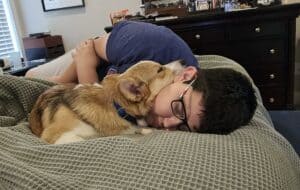
The Right Puppy Changes Everything
Bringing home a puppy is exciting, and it’s easy to be drawn to a certain color, markings, or simply the puppy you think is the cutest. But those things tell you very little about what living with that puppy will actually be like.
Over the next 10 to 15 years, your puppy’s temperament will have a much bigger impact on your life together. Energy level, confidence, independence, desire to be with people, willingness to learn, and the way a puppy responds to the world around them can all make a difference in how well that puppy fits your family.
A family looking for a quieter dog may be happiest with a different puppy than someone who wants a dog for hiking and other activities. A first-time Corgi owner may also value different traits than someone who has lived with Corgis for years.
There isn’t one puppy in a litter that’s the “best” puppy. The goal is to find the puppy whose natural temperament is the best fit for you.
Every Puppy Is Unique
It’s easy to assume that puppies from the same litter will be very similar. They have the same parents, are raised in the same environment, and experience the same socialization and early learning. But every puppy is still an individual.
Even within the same litter, I see differences in energy level, confidence, independence, desire to be with people, motivation, and how puppies respond to new experiences. One puppy may constantly seek out people while another is perfectly happy entertaining themselves. One may walk right up to something new while another prefers to watch for a minute before joining in.
None of those traits are good or bad. They simply make different puppies a better fit for different families and lifestyles.
That’s why I don’t recommend choosing a puppy from a litter based only on color, markings, sex, or a favorite photo. Those things tell you what a puppy looks like. They don’t tell you what living with that puppy may be like.
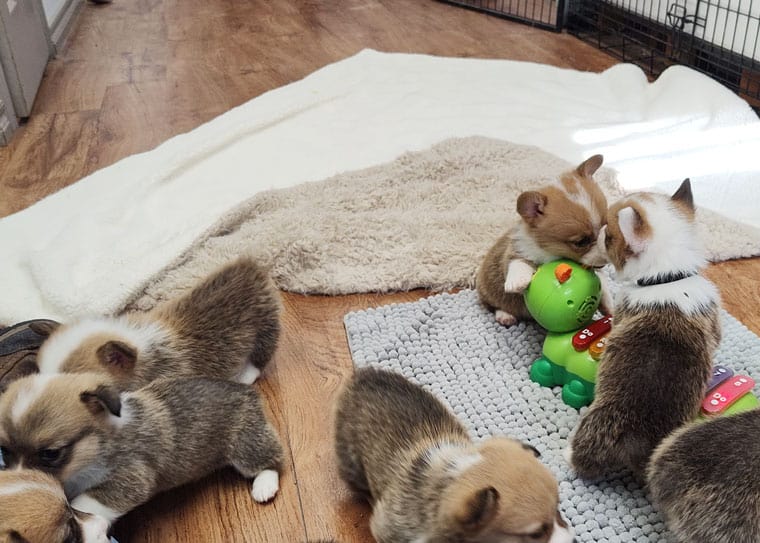

Why We Wait to Choose Puppies
One of the biggest differences in our process is when families choose their puppy.
I don’t ask families to make their final choice when puppies are only a few weeks old. Puppy selection takes place after the puppies have had their veterinary exam and their temperament evaluation at approximately seven weeks of age.
At two or three weeks old, puppies simply haven’t shown us much about who they are yet. Their eyes and ears have only recently opened, they’re learning to walk, and they’re just beginning to interact with their littermates and the world around them.
Over the next several weeks, their individual personalities become much easier to see. I start noticing meaningful differences in energy level, confidence, independence, people-orientation, curiosity, and how each puppy responds to new experiences.
Waiting gives me time to watch each puppy develop and gives you much better information to use when choosing your puppy from the litter.
Getting to Know the Puppies
By the time puppy selection arrives, I want you to feel like you already know the litter—not like you’re choosing a puppy from a photo.
Throughout the weeks leading up to selection, I share regular litter updates and videos so you can watch the puppies grow and begin to see their individual personalities. You’ll see them interact with people, their littermates, our adult dogs, and even our barn cats, as well as experience new environments and age-appropriate challenges.
As they develop, I’ll point out some of the differences I’m seeing—who tends to seek out people, who is more independent, who approaches something new with confidence, and who may have a little more or less energy than their littermates.
Those observations, along with each puppy’s veterinary exam and formal temperament evaluation, give us a much more complete picture of each puppy before selection day.
By the time we meet to choose your puppy, you’ll have more than a cute photo to go by. You’ll already have a good sense of who each puppy is as an individual.
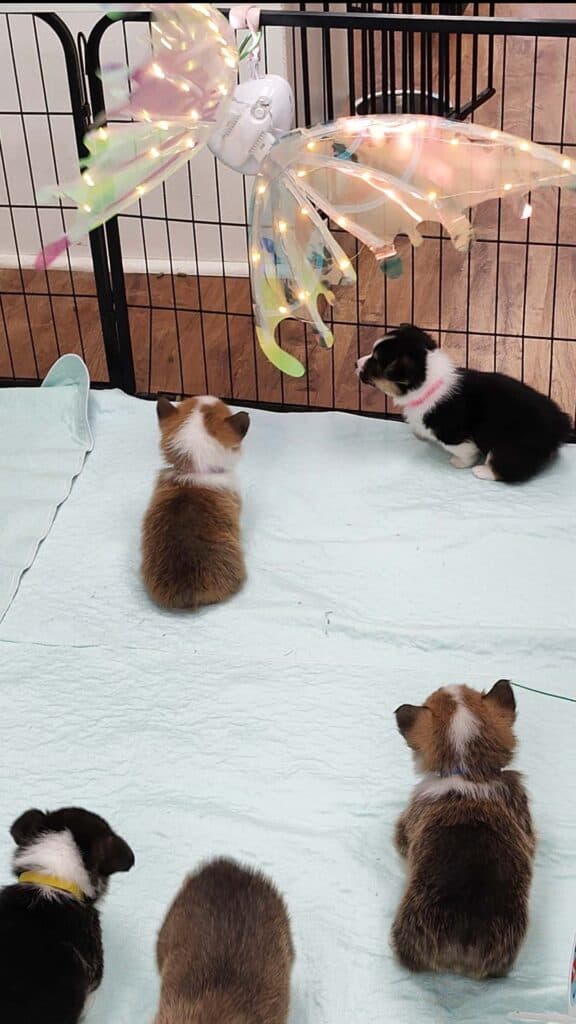

Choosing Your Puppy
Once the puppies have completed their veterinary exam and temperament evaluation, it’s time to start making puppy selections.
Before your private Zoom meeting, you’ll receive a Puppy Profile for each available puppy. The profiles include the results of the temperament evaluation along with information about the traits and behaviors I’ve observed as the puppies have grown.
During our Zoom meeting, we’ll go through the puppies together. I’ll explain what I’m seeing, answer your questions, and help you think about how each puppy’s temperament may fit your family, lifestyle, experience, and what you’re hoping for in a Corgi.
Puppy selection takes place in waiting-list order. When it’s your turn, the final decision is yours. I’m here to give you as much useful information and guidance as I can, but I don’t choose your puppy for you.
The goal isn’t to find the puppy with the “best” temperament. It’s to help you understand the differences between the puppies so you can choose the one that feels like the best fit for your family.
Every family is different. What you want life with your Corgi to look like may be very different from what another family is looking for.
That’s why I spend so much time getting to know each puppy before selection. I’ll share what I’ve learned, answer your questions honestly, and help you understand which puppies may be the best fit for your family and why.
The final decision is always yours. My job is to give you the information and guidance you need to feel confident about the puppy you choose.
Because the best puppy isn’t the one with the highest scores.
It’s the one that’s the best fit for you.
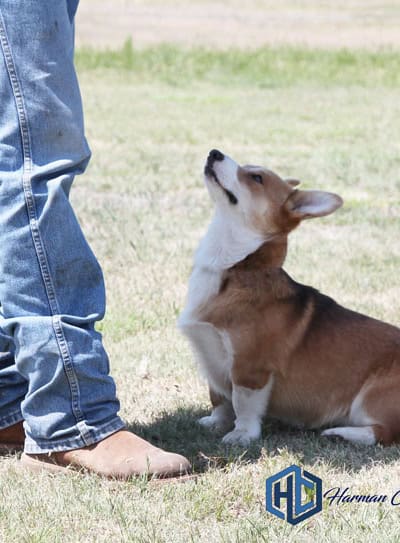
Ready to Find the Right Puppy?