
PLANNING FOR A PUPPY
What Does It Cost to Own a Dog?
Bringing home a puppy is exciting, but it also comes with an ongoing financial commitment. Beyond the initial cost of the puppy, there are food, veterinary care, supplies, training, and plenty of little expenses that can add up over time. It’s worth thinking through those costs before you make the decision to bring a dog home.


Are you financially ready to get a dog?
The cost of owning a dog can add up quickly. Veterinary care, vaccinations, food, training, supplies, and other expenses all need to be part of your budget. This exercise will help you think through those costs and decide if you are financially ready to bring home a puppy.
I suggest that you print the Puppy Budget Worksheet to help you get a better idea of the expected costs involved with getting a puppy.
Things to Consider
1. Vet Costs
Call your veterinarian or multiple vet clinics in your area to see what they charge for puppies.
For the first year you will be looking at…
A wellness check within 3 days of getting your puppy
Vaccination visits
Your puppy will need a minimum of 3 to 4 DAPPV vaccinations plus rabies. Additional vaccinations may be recommended by your vet or required if you plan on boarding your dog. Vets will often want to do a fecal check during these visits as well. Ask for the price of the visit and vaccinations
Worming medication
Your vet will normally place your puppy on a worming protocol. Ask what wormer they normally recommend and its cost.
Flea & Tick medication
Your vet will normally place your puppy on a preventative flea & tick medication. Ask for the monthly cost of the medication.
Spay / Neuter
If you are purchasing a puppy with limited registration as a pet, my contract requires you to provide proof that your puppy has been spayed or neutered. Ask your veterinarian what this will cost and when they recommend having it done.
After the first year, you will be looking at…
- Routine annual vet visit
- Annual vaccinations
- Flea & tick medication
- Worming medication
- Teeth cleaning as needed


2. Training
All dogs need training, but it is especially important with Corgis. They are intelligent, independent dogs with a strong herding background, and training helps them learn how to live successfully as part of your family.
Training doesn’t have to be complicated, but it does need to be consistent. Short training sessions throughout the day can help your puppy learn good manners while also giving them something productive to do with all that Corgi intelligence.
There are several good ways to train your puppy. You may choose an in-person puppy class, work with a trainer, use an online program, or combine several approaches. The important thing is finding something that works for you and being consistent with it.
In Person Training
Puppy Classes
Check to see what these classes cost, requirements for puppies to be able to attend, what is taught in these classes, and how long the class lasts.
Obedience classes
Once you complete the puppy class you will probably want to enroll your puppy in an obedience class to learn basic manners. Check to see what these classes cost, what will be taught and how long they last.
Worming medication
Your vet will normally place your puppy on a worming protocol. Ask what wormer they normally recommend and its cost.
In Person Training
Baxter & Bella Online Puppy School
This is a good option if you can’t attend puppy classes in person or would like additional training support at home. I purchased the program and tried it with my own dogs before recommending it. You can learn more about the program and how to receive a 25% discount below.
3. Food & Supplies
You will need to feed a high quality food. This will ensure that your dog is getting the nutrition that they need. High quality foods mean higher digestibility, help reduce health problems and allergies and cause fewer digestive problems that can lead to vet visits.
We feed and recommend Purina ProPlan puppy food and adult food. A couple of other items that we recommend are NuVet vitamins, fish oil to help with shedding and a probiotic called Fortiflora in case your puppy has a digestive upset.
Basic Supplies
Basic supplies include things like food and water bowls, a crate, collars as your puppy grows, an exercise pen, harness, brushes, puppy shampoo, nail clippers, and other everyday supplies. You can find many of the products I use and recommend on my Recommended Products for Corgis page. Not everything on the list is a must-have, but it will give you a good idea of what you may need.
Chew Items
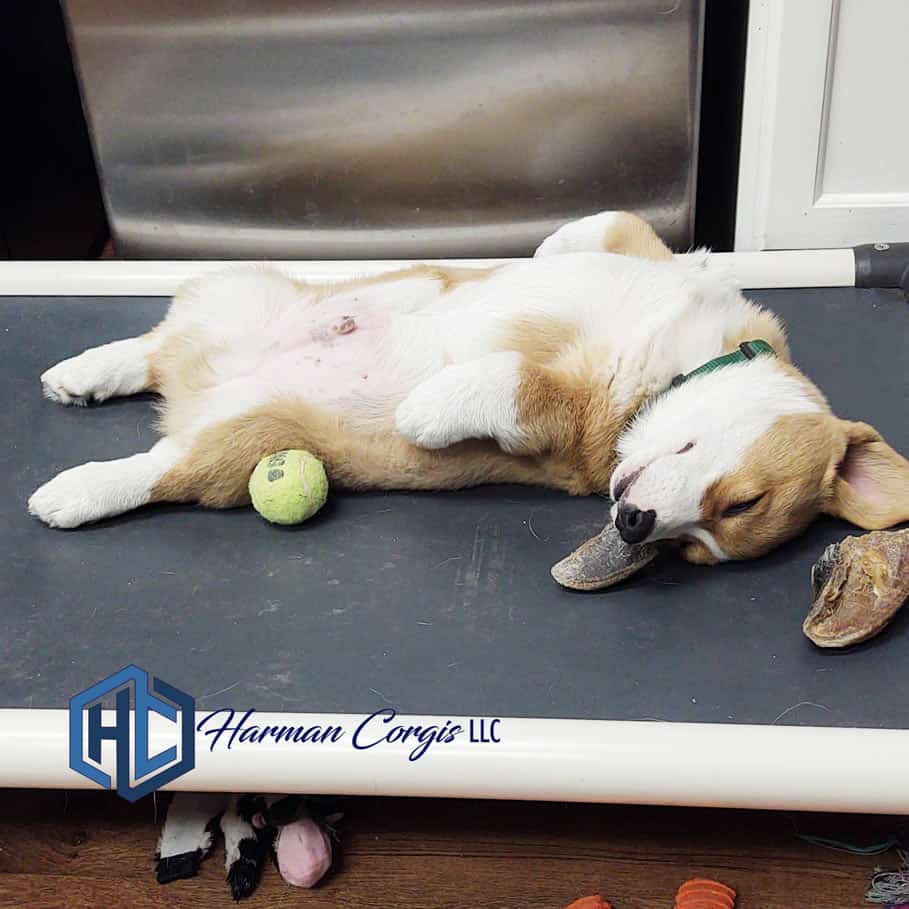
Puppies need plenty of appropriate chews and toys, especially while they’re teething. Corgis can be enthusiastic chewers, so plan on replacing toys and chews regularly.
Crates & a Puppy Pen
I believe that every puppy should be crate trained. Crate training and potty training go hand in hand so I suggest starting when they get home. I am a big believer in the puppy pen set up too so you will need a crate and a puppy pen.
4. Insurance
Some people buy pet insurance while others stash away an emergency fund in case their puppy gets sick or needs surgery.
There are lots of insurance companies out there. Ask your veterinarian or friends for recommendations and shop around to get the coverage that you need.
Harman Corgi puppies are eligible for 30 days of Trupanion pet insurance coverage when they go home. I’ll provide information about how to activate the coverage before your puppy leaves.
5. Grooming
Basic Corgi grooming can be done at home, including nail trims, brushing, and bathing. If you prefer to use a professional groomer, call a few groomers in your area to ask what they charge and how often they recommend bringing your Corgi in.
Either way, remember to budget for basic grooming supplies or professional grooming as an ongoing expense.