
Recommended Products For Pembroke Welsh Corgis
One of the questions I hear most often from new puppy families is, “What do I need to buy?” What food should I feed? Do I need a crate? What kind of toys do Corgis like? Which harness should I buy? And what do I actually need before my puppy comes home?
There are thousands of dog products to choose from, and it can quickly become overwhelming. Over the years, we’ve tried a lot of them. The products you’ll find here are ones we use ourselves or that our puppy families have used successfully and recommended to us.
Affiliate Disclosure: Some links on this page are affiliate links, which means I may earn a commission if you make a purchase through them, at no additional cost to you. As an Amazon Associate I earn from qualifying purchases. I only recommend products we use ourselves or that I believe may be helpful to our Corgi families.
CORGI SUPPLIES MADE SIMPLE
What Does Your Corgi Puppy Really Need?
Before you start shopping, watch the video to see what we send home with every Harman Corgis puppy. Then use the sections below to find the essentials you’ll need to have ready at home, along with our advice on what to look for and the products we’ve found work well for Corgis. We’ve also included a few helpful extras that can make life with your new puppy easier.
Food & Nutrition
Nutrition is something I’ve become much more particular about over the years. I’ve fed a number of different foods while raising Corgis and puppies, and I’ve learned that choosing a dog food isn’t simply about finding an appealing ingredient list. I now look for foods backed by nutritional research, feeding studies, strong quality-control practices and veterinary nutrition expertise.
I’m especially careful about nutrition while puppies are growing. Growing puppies need appropriate calories and protein along with the proper balance of minerals such as calcium and phosphorus. I also want our puppies to grow at an appropriate rate and remain lean rather than carrying excess weight.
For Corgis, this is especially important to me. Hip dysplasia isn’t determined by genetics alone. Research shows that both genetics and environmental factors influence its development—and nutrition is one of the factors we can control. Feeding a properly balanced diet, supporting appropriate growth and keeping a puppy lean are all reasons I’m so particular about what we feed our puppies and the foods I recommend to our families.
WHAT WE FEED OUR PUPPIES
Our Puppy Nutrition Program
Our puppies go home eating Purina Pro Plan Puppy Chicken & Rice. This is the food I’ve chosen for our puppies, and every puppy goes home with a small supply so families don’t have to make an immediate food change.
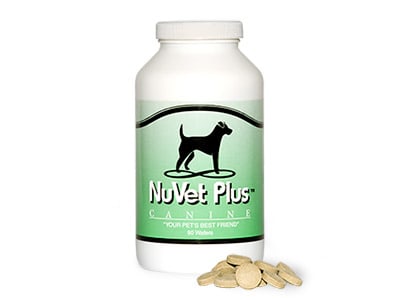
Our puppies also receive FortiFlora daily once they begin eating solid food and NuVet Plus as part of our regular supplement program. We send both home with every puppy, along with a measuring cup.
I recommend keeping your puppy on the same food for at least the first few weeks at home. They’re already adjusting to leaving their littermates and everything familiar to them. Unless there’s a reason to change foods right away, I prefer not to add a diet change at the same time and possibly cause digestive upset.
High Quality Puppy Food
Purina Pro Plan is the food our puppies are eating when they go home. The other foods I’ve included below are also from companies I trust because they invest in nutritional research, conduct feeding studies and have veterinary nutrition experts involved in developing their foods. I know families sometimes prefer a different brand or need a different price point, so these are the puppy foods I’m comfortable recommending.
This is the food our puppies are eating when they go home.
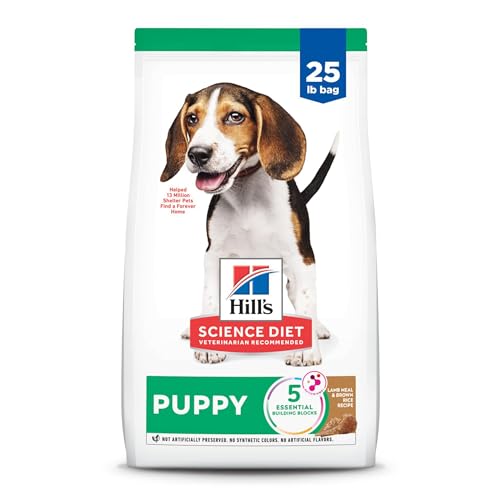
We fed Hill's Science Diet for many years and it is another great option.
Purina ONE is another puppy food option I’m comfortable recommending.
Royal Canin is another puppy food that we recommend.
FortiFlora Probiotic
Just like in humans, a healthy gut biome, helps boost immunity and keeps puppies healthy. We believe that adding a small amount of FortiFlora sets your puppy up with an excellent gut biome for life.
We will send several packets home with your puppy. Just add 1/2 packet to their food once a day.
We give this to our puppies daily and send it home with every puppy. It is our go to probiotic if we have digestive upset in any dog.
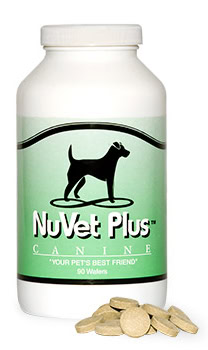
NuVet Plus
Our puppies and dogs receive NuVet vitamins to strengthen their immune system and ensure they get all the nutrients they need. This product was developed by veterinarians and is produced using human-grade vitamins and minerals.
We start our puppies on these vitamins when they begin eating food and send a few home with every puppy. I highly recommend continuing on with these vitamins! The results that we have seen have been amazing. We feed each puppy 1/2 of a wafer each day as a treat and transition to a full wafer at 16 weeks of age.
These vitamins are not sold in stores. When ordering, if you are asked for a code, use code 148999.
NuVet Plus Vitamins
Our puppies and adult dogs receive NuVet Plus daily as part of our regular supplement program.
WHAT WE FEED OUR ADULTS
Our Adult Nutrition Program
Good nutrition remains important throughout adulthood. We continue to focus on well-researched foods, digestive support and maintaining a lean, healthy body condition. Our adult dogs receive a quality adult food along with FortiFlora and NuVet Plus vitamins, and we add fish oil for additional skin and coat support.
I fed Science Diet for many years and still consider it a great choice for Corgis.
I have fed this to many of our adult dogs. I like that there are several protein options to choose from.
A more affordable option from Purina that I'm comfortable recommending.
Another well-researched food I'm comfortable recommending for adult Corgis.
NuVet Plus Vitamins
Our puppies and adult dogs receive NuVet Plus daily as part of our regular supplement program.
This is the fish oil that I use. I do think that it helps with shedding.
We give this to our puppies daily and send it home with every puppy. It is our go to probiotic if we have digestive upset in any dog.
KEEPING CORGIS BUSY
Toys & Enrichment
We often get asked which toys our Corgis like best. I’ve found that our dogs especially love toys that crinkle, make noise or have realistic-looking fur. With our puppies, we provide toys with lots of different textures, shapes and sounds and rotate them regularly so there is always something different for them to explore.
I’m careful with heavily stuffed toys because some dogs will tear them apart and swallow the stuffing. I tend to choose stuffing-free toys when I can, but no toy is indestructible. Keep an eye on toys for damage and supervise your Corgi with anything they may tear apart.
I also really like toys that make a Corgi think. Hide A Squirrel and treat-dispensing toys like the Bob-A-Lot are favorites because they give dogs something to figure out and can keep them occupied.
My theory is that a bored Corgi is a bad Corgi! Corgis are smart, and if you don’t give them something appropriate to do, they’re very good at finding their own entertainment. A combination of physical activity and toys that keep their minds busy can help channel all of that Corgi intelligence in the right direction.
Our Favorite Toys
If you have a dog that likes to destroy toys, this one should last longer.
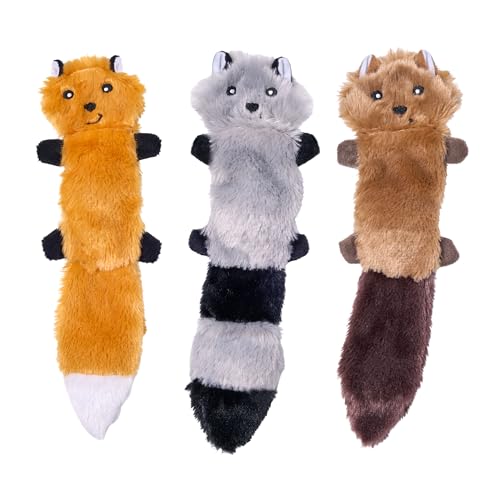
Our puppies love these! No stuffing and two squeakers make these a favorite with our dogs.
An empty water bottle fits inside this flat toy (M or L size) to create lots of fun and noise. Make sure to remove the bottle lid first.
Puppies find this toy exciting with its squeakers and crinkle tentacles.
Interactive & Enrichment Toys
The tabs on this ball allow your pup to easily carry this ball around.
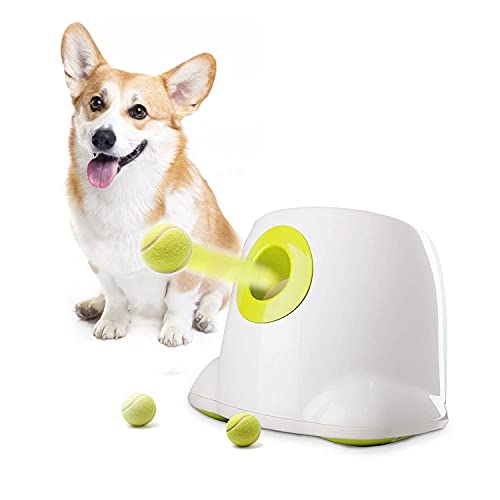
Great for dogs that LOVE to play fetch.
A great way to keep your pup entertained. We use kibble in ours.
Puzzle toys can mentally exercise your pup.
Stuff the squirrels and other toys or treats in the log and watch your pup work to get them all out.
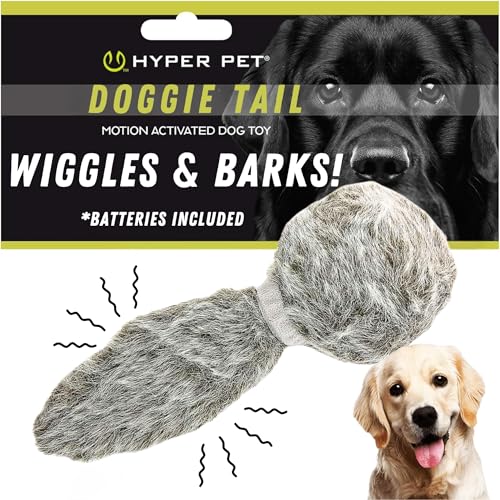
This toy wiggles and barks
CHEW • LICK • SETTLE
Teething, Chews & Calming
Chewing and licking give puppies and adult dogs an appropriate outlet for natural behaviors while also providing something engaging to do. They can be especially helpful when you want your dog to settle quietly in a crate or pen, or simply relax for a while.
Stuffed Kongs and Pupsicles are two of our favorites. I’ve used Kongs for years, but I’ve also become a big fan of the Pupsicle. Both can be filled with different foods and frozen for a longer-lasting activity, while the Pupsicle also offers convenient premade refills.
There are endless recipes online for creating your own frozen fillings and treats, making it easy to add variety and keep your Corgi interested.
Teething & Natural Chews
These are longer lasting natural chews that my dogs love.
This is another chew that puppies enjoy.
We use these soft natural chews with little puppies
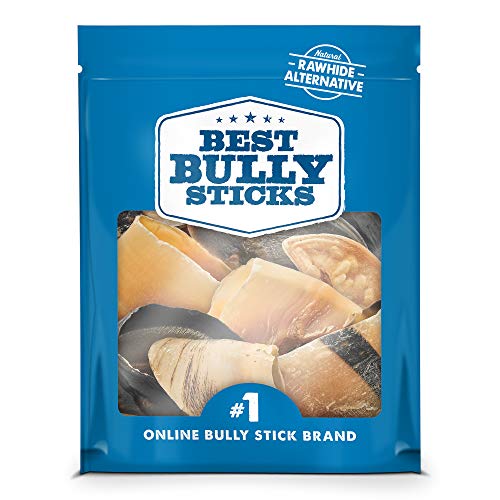
A long lasting chew item that can be stuffed.
These chews are tougher than pig ears and normally last longer.
A long lasting chew toy for puppies.
Stuffable & Freezable Treats to Calm
I like this one so much that I send one home with every puppy.
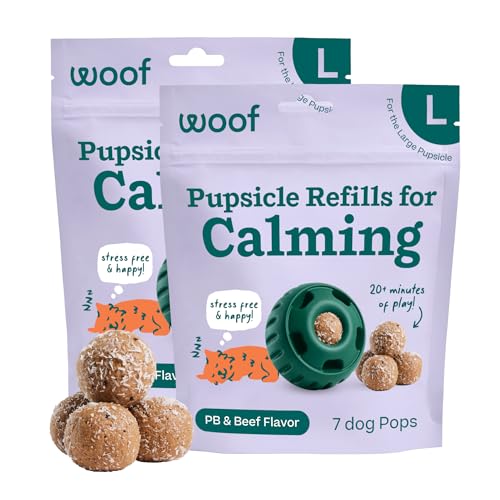
The pupsicle is a long lasting treat holder that catches slobbers! These treats give your pup an extended "lick" time and you can refill with pre made treats or make your own at home. I use the large size.
One of the many flavors of refill treats that my dogs like.
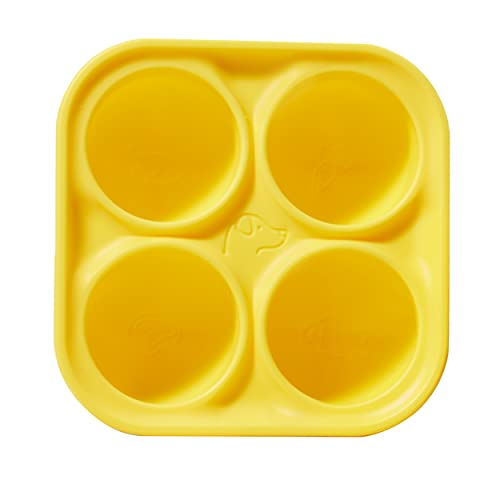
A great way to make your own freezable treats at home
Spread yogurt or peanut butter on this mat and attach to the side of a crate. These are great at bedtime or during crate training sessions. Licking releases endorphins to help calm and soothe your pup.
I use this when bathing dogs but it can be used anytime. It has suction cups on the botton that will stick to the side of a bath tub or other slick surfaces
HOME • COMFORT • EVERYDAY LIFE
At Home With Your Corgi
Setting up your home before your puppy arrives can make those first few weeks much easier. A crate, safe puppy area, washable bedding and a few basic supplies will help with house training, settling in and establishing a daily routine. These are the products and setups we’ve found most useful with our own Corgis and puppies.
Dog Beds
Everyone wants to get their puppy a cute, comfy bed, but read this first.
When we get a puppy, they spend their nights in a crate by our bed and days in a puppy pen. We often place a crate in the puppy pen too so they have a comfortable place during the day. While our puppies love to play in donut beds, we find that they often go through a “chewing or destructive” stage from 6 months to 1.5 years of age and will destroy beds and crate pads. For that reason, we use washable pee pads as crate pads until they outgrow this stage.
If you choose to give your puppy a dog bed or donut bed, I recommend that they are only allowed to sleep in them while supervised. Eating toy or bed stuffing can result in an impaction, resulting in surgery, so prevention is the key.
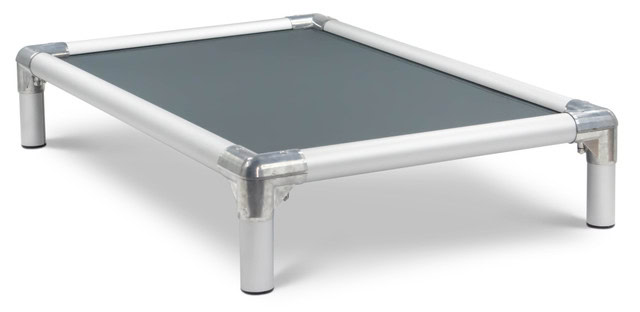
Kurunda beds are a different story. They are my favorite beds for our Corgis because they cannot be chewed up and offer your pup a cool place to sleep. They are an investment, but they last for years! We have these beds for all of our dogs and have never had to replace one in over ten years.
These are great for adult dogs who do not chew on beds.
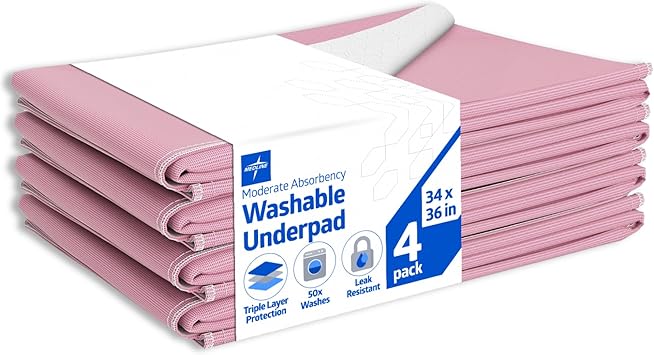
These washable pads have many uses from potty training and protecting floors to use as crate pads.
Kurunda Dog Bed
The sleeping surface is enclosed within the frame so there are no exposed fabric edges for dogs to grab and chew, and replacement parts are available if something eventually wears out.
There are a variety of surface types, colors and mat toppers available for these beds.
We use the 40 oz. solid vinyl sleeping surface with metal-covered corners for extra chew protection. The Small (30″ × 20″) works well for most of our Corgis, while some of our larger dogs prefer the Medium (35″ × 23″) for a little more room to stretch out.
They’re easy to clean, can be used indoors or outdoors, and I’ve never had one of ours destroyed.
Crates & Crate Training
I am a firm believer of crate training for several reasons.
First, crate training works with potty training by teaching your puppy to “hold it”. Secondly, crate training also gives your dog its’ own place to go when it gets tired or needs a break and thirdly in the case of an emergency or natural disaster, you will want your pup to feel comfortable in a crate if you have to evacuate.
Our puppies leave our care being used to crates. They have spent weeks eating in a crate by themselves with the door closed, they always have a crate witht eh doors open to sleep in, and they have experienced several trips in a vehicle in a crate.
Even if you plan to let your dog sleep in bed with you later, I would start by crate training your puppy at night in a crate by your bed. This allows you to know when they need to go out and the puppy learns how to signal you to take them out.
Crates come in two basic types – plastic or wire, and both have advantages and uses. I like to use plastic crates when transporting puppies in a car but a wire crate will work too. When purchasing a plastic crate, I look for ones that are sturdy, bolt together and are around 28-30 inches long like a Petmate crate. The downside of a plastic crate is that some dogs will chew on them and they can not be divided like a wire crate.
I like to use a wire crate by my bed at night and in the puppy pen. I prefer one that comes with a divider so you buy one crate and adjust the divider to make a larger sleeping area as the puppy grows. You probably need one that is around 30 inches long. They come with either one door or two doors and some have a door that folds up out of the way.
This crate has a door on the end and side so you have options on how to sit it. It also comes with a divider panel so you can use one crate from puppy to adulthood.
This crate has one door on the end that swings open. It comes with a divider so you can buy one crate to use when your puppy comes home through adulthood.
This crate has garage door that swings up to open. I recommend the 30 inch crate.
I like hard sided crates for traveling in a car but prefer wire crates at home. Mine are approximately 28 inches long.
Puppy pens & gates
A puppy pen set up is my number one recommendation for new puppy owners! This prevents the puppy from getting in trouble and gives them a place to rest when they are tired.
This pen is not as sturdy as the heavy duty pen but still works great for puppies.
A portable gate to block doorways and keep your puppy out of rooms in the house.
This one mounts to form a permanent gate solution. We have these mounted in various locations.
A heavy duty dog playpen that is great to use with puppies and later on camping trips or other outings.
Food & Water Bowls
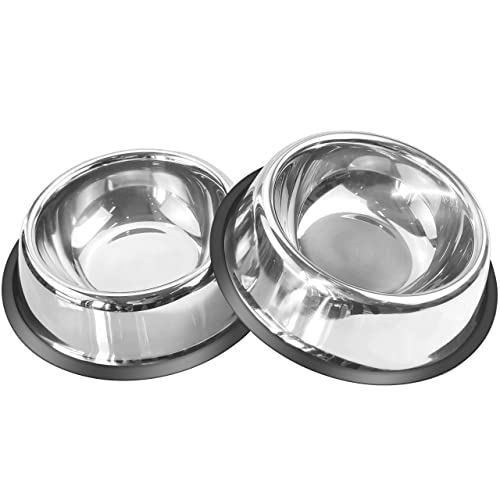
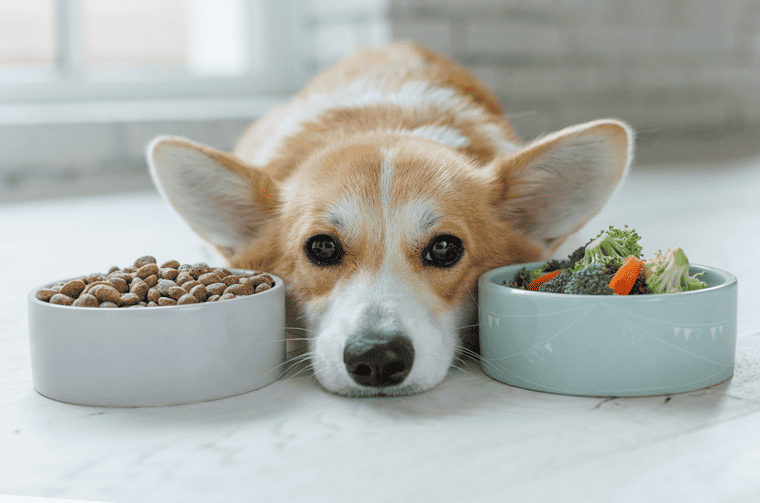
For everyday food and water bowls, I prefer stainless steel. They’re durable, easy to sanitize in the dishwasher, and won’t break. A medium-sized bowl that holds around 2 quarts works well for most Corgis.
Some Corgis are enthusiastic eaters! If your dog tends to gulp food, a slow feeder bowl can help slow mealtime down. Lick mats are another useful option for keeping your dog occupied and can be especially handy during baths, grooming, or quiet time.
These stainless steel bowls will not easily slide on floors.
These stainless steel bowls are tough and easy to clean.
We use these bowls to make dogs who eat too fast slow down when eating.
Potty Training
Your Harman Corgis puppy will already be litter box trained and accustomed to going potty outdoors before coming home. Litter box training helps us begin teaching good potty habits while puppies are still living together, but most families will not need to continue using a litter box at home.
If you have a private backyard, I recommend transitioning your puppy directly to outdoor potty training. Take your puppy outside frequently, use the same designated potty area, and establish a consistent routine from the beginning.
If you live in an apartment or do not have access to a private outdoor area, you will need a safe indoor potty option until your puppy is fully vaccinated and your veterinarian says it is appropriate to use shared outdoor areas. In that situation, you can temporarily continue the litter system your puppy already knows or use another indoor potty system. See the section below for suggested supplies.
I prefer washable pads to disposable ones because puppies often think they are toys and shred them. I also suggest Bell Training your puppy to alert you when they need to go out to the bathroom.
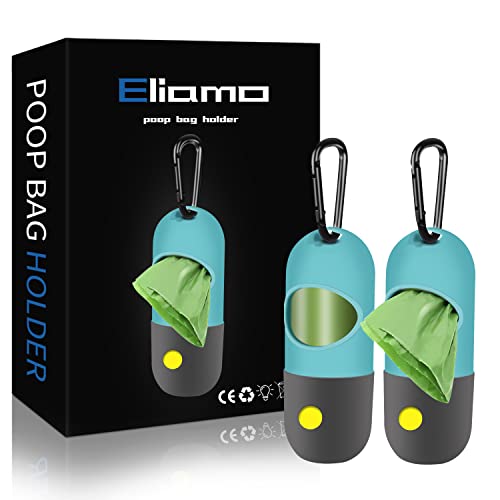
Necessary poop bag dispenser with a built in flashlight.
These washable pads have many uses from potty training and protecting floors to use as crate pads.
Hang these from a door handle and train your dog to ring when when they need to go outside.
For Families Who Need an Indoor Potty Area
I recommend setting up a “Potty Area” either inside a properly fenced balcony or inside. You can set this area up using a puppy playpen or exercise pen, on top of a large protective waterproof pad or cover. Place your litter box in the pen and place your puppy in the potty area when they need to go.
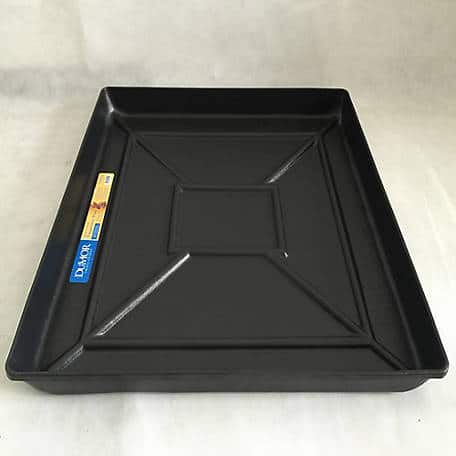
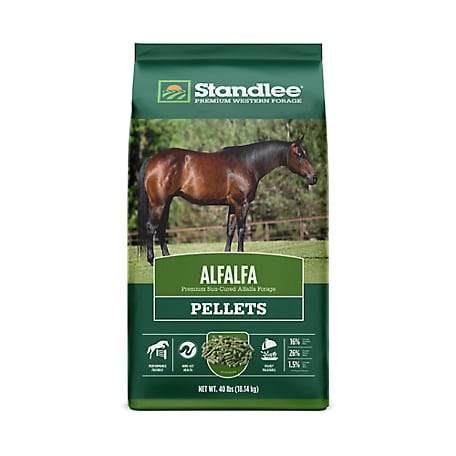
We use a 30″ x 30″ rabbit tray with Alfalfa pellets shown below but there are several other options for litter trays and litter.
Some families use real or artificial grass potty systems instead. I haven’t personally used these systems, but I’ve included a few options that other puppy families have used successfully.
Rabbit Tray
We buy these 30″x30″ or 24″x24″ DuMOR Rabbit trays are Tractor Supply to use as litter boxes.
Rabbit Tray
We use Alfalfa pellets as litter in our puppy litter boxes. We buy them at Tractor Supply.
Artificial grass pad system for indoor potty training
Some people prefer to use a real grass potty area. You will have to replace this often.
These large waterproof pads can be used to cover areas that you need to protect or be used under litter boxes. There are multiple sizes to choose from.
These washable pads have many uses from potty training and protecting floors to use as crate pads.
I clean litterboxes with this scoop.
Dog litter box. I have used the large size.
This can be used as an alternative to Alfalfa pellets in litter boxes.
Cleaning Up After a Corgi
Life with a Corgi comes with plenty of hair—and, because they’re so close to the ground, a surprising amount of dirt and mud. Add a puppy to the mix and occasional accidents are inevitable. These are some of the cleaning products we actually use to keep up with our dogs.
Make sure to clean up accident areas with an enzymatic cleaner to remove all odors.
We use these to clean dirty paws and bellies.
This is the vacuum that we have.
This is the carpet cleaner that I have and use in my home. It does a very good job.
This is the cleaner that I use in my carpet cleaner.
I add a capful of this with the carpet cleaning shampoo.
Miscellaneous
A couple of other items that might be important. Pet stairs are important to prevent back issues from jumping on and off beds and sofas.
Add a set of stairs to prevent your Corgi from jumping on or off sofas and beds. Make sure to measure the height of your furniture before ordering.
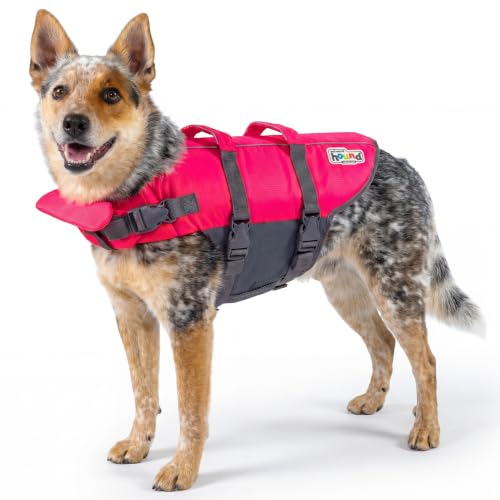
Just life people, dogs must learn to swim and should wear a life jacket.
EVERYDAY ESSENTIALS
Collars, Harnesses & Leashes
The right collar, harness and leash help keep your Corgi safe and comfortable at home and away. Corgis can be surprisingly good at getting out of collars so I prefer a harness.
Harman Corgis puppies go home microchipped and wearing an adjustable collar that should fit for at least the first several weeks. As your puppy grows, you’ll need to replace the collar and harness and adjust sizing along the way. Below are the styles and products we’ve found work well for Corgis.
For puppies
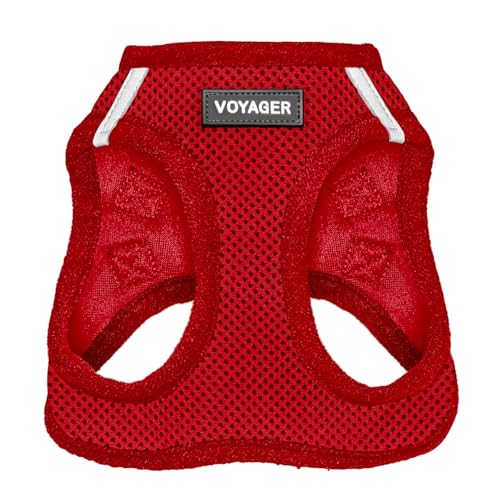
Your puppy will go home with wearing a collar. They have been exposed to a harness but you will need to continue exposure so as an adult they do not fight a harness. I like the voyager harnesses because they are cheap and easy to put your puppy in. You will also need a cheap leash for puppyhood. Although your puppy is microchipped, I still recommend having visible identification on their collar.
You may want to use a long leash as a houseline as your puppy grows and explores.
For adults
Due to the way they are built, Corgis easily slip out of collars so I recommend a good harness along with a nice collar and leash. There are lots of collars on the market but I like Lupine collars because they’re lightweight, washable and durable. They’ve held up exceptionally well for us, and I especially like their replacement guarantee.
This is the harness that I use with puppies. They are cheap and easy to get puppies in and out of.
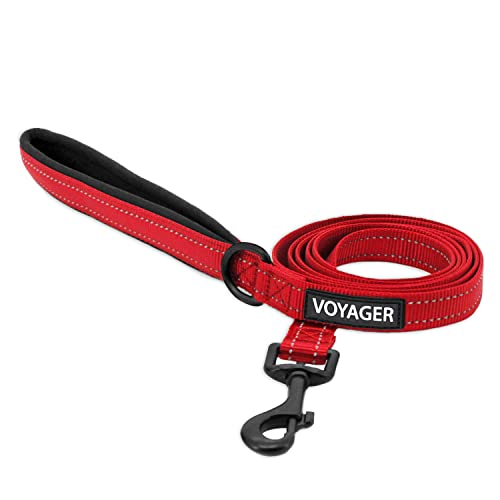
You will need a 5 or 6 ft leash for your puppy. This one has a soft handle and is reflective.
These are great if you need a long leash or want to train your pup using a long house line. They are also great for camping and other activities.
These lightweight collars are adjustable, lightweight and the company will replace them if your dog breaks them or chews them.
Matching leashes are available. I prefer 6 foot leashes.
CORGI GROOMING
Grooming Your Corgi
Corgis have a thick double coat that requires regular grooming, but keeping it healthy doesn’t have to be complicated. Routine brushing, occasional baths and regular nail care go a long way toward keeping your Corgi’s coat, skin and feet in good condition.
We begin introducing our puppies to bathing, brushing, nail trimming and other grooming experiences before they leave us. Continuing these routines at home while your puppy is young helps make grooming a normal part of life rather than something to fear or avoid.
Bathing & Coat Care
Corgis generally don’t need frequent baths. I prefer to bathe them when needed rather than on a strict schedule, while puppies can still have short practice sessions with water so they become comfortable being handled and bathed.
For puppies, we use gentle tearless shampoos that smell good such as CHI for puppies. For our adults, we use CHI and FURminator deShedding conditioner. A suction-cup lick mat attached to the side of the tub can also be a great distraction for dogs that need a little help settling during bath time.
Great smelling puppy shampoo
I use this when bathing dogs but it can be used anytime. It has suction cups on the botton that will stick to the side of a bath tub or other slick surfaces
This brush helps loosen hair during bathing.
This conditioner helps loosen hair during baths.
Sometimes you just need a deep conditioner to get out tangles. A small dab of this gets the job done.
Brushing & Shedding
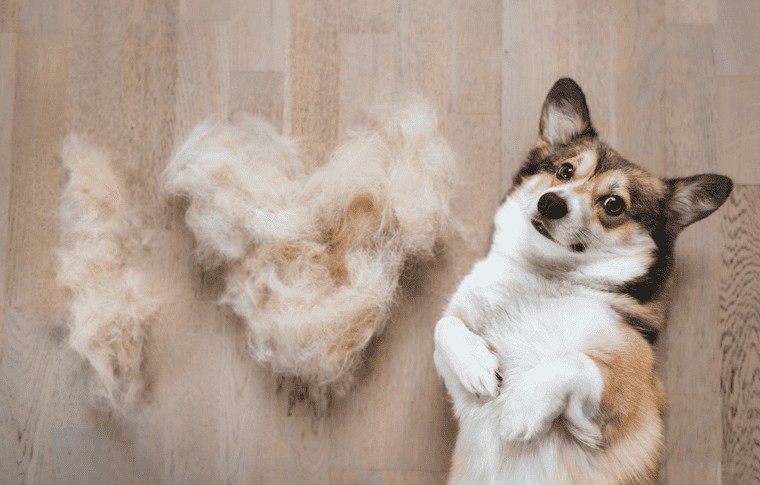
Regular brushing helps remove loose undercoat before it ends up all over your house—although living with a Corgi will always involve some dog hair! Shedding increases seasonally as the undercoat changes, so you’ll usually find yourself brushing more often during those periods.
I use different grooming tools depending on what I’m trying to accomplish. The ZoomGroom works well during bathing and helps loosen shedding hair, while brushes and combs help remove loose coat and keep everything tidy. I also like Cowboy Magic detangler for making the coat easier to brush after bathing.
This machine really works and is quiet.
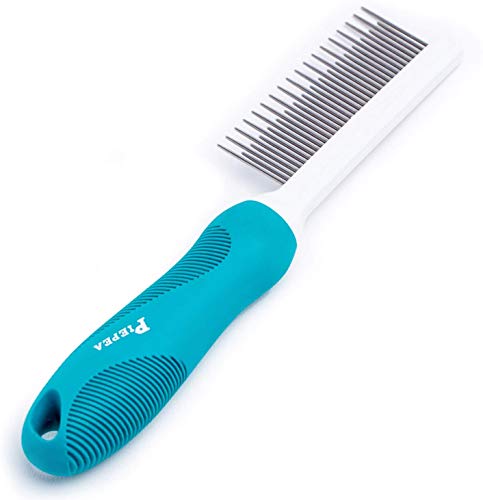
This is my favorite every day comb.
This comb has alternating long and short teeth and is another favorite comb.
A good rake that has rounded teeth and a handle.
Nail Care
Regular nail trimming is an important part of your Corgi’s grooming routine. We begin handling feet and trimming nails while our puppies are young so they’re accustomed to having their paws handled. Continuing that routine at home makes nail care much easier as your puppy grows.
You can use traditional nail clippers or a nail grinder depending on which you and your dog are most comfortable with. The most important thing is to trim regularly rather than waiting until the nails become long.
I trim the nails of small puppies with human fingernail clippers then graduate to either pet nail clippers or a nail grinder.
Sometimes it is easier to grind nails than clip them. I would start with a lower priced quiet model to make sure it works for you before buying an expensive model.
If you are worried about nicking your dog while trimming nails, this powder will stop the bleeding.
Dental Care
The trick to teaching your puppy to accept teeth brushing starts with desensitizing your puppy’s gums. This drastically increases the ability to be able to brush teeth when they get older.
Dental chews like Greenies have also been shown to remove plaque buildup. They recommend starting these treats after 6 months of age. Greenies makes multiple sizes for different age groups in dogs so find the right size and
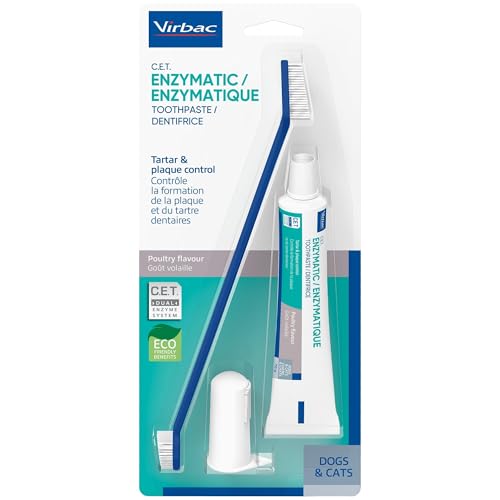
I like this kit because it includes a tooth brush and finger brush allowing you to determine which one your pup prefers.
These are recommended for puppies over 6 months of age between 5 - 15 lbs.
These are recommended for puppies over 6 months of age between 15 - 25 lbs.
These are designed for adult dogs between 15 - 25 lbs.
These treats are designed for dogs from25-50 lbs. These probably contain more calories than most adult Corgis need.
TRAVELING WITH YOUR CORGI
On the Go
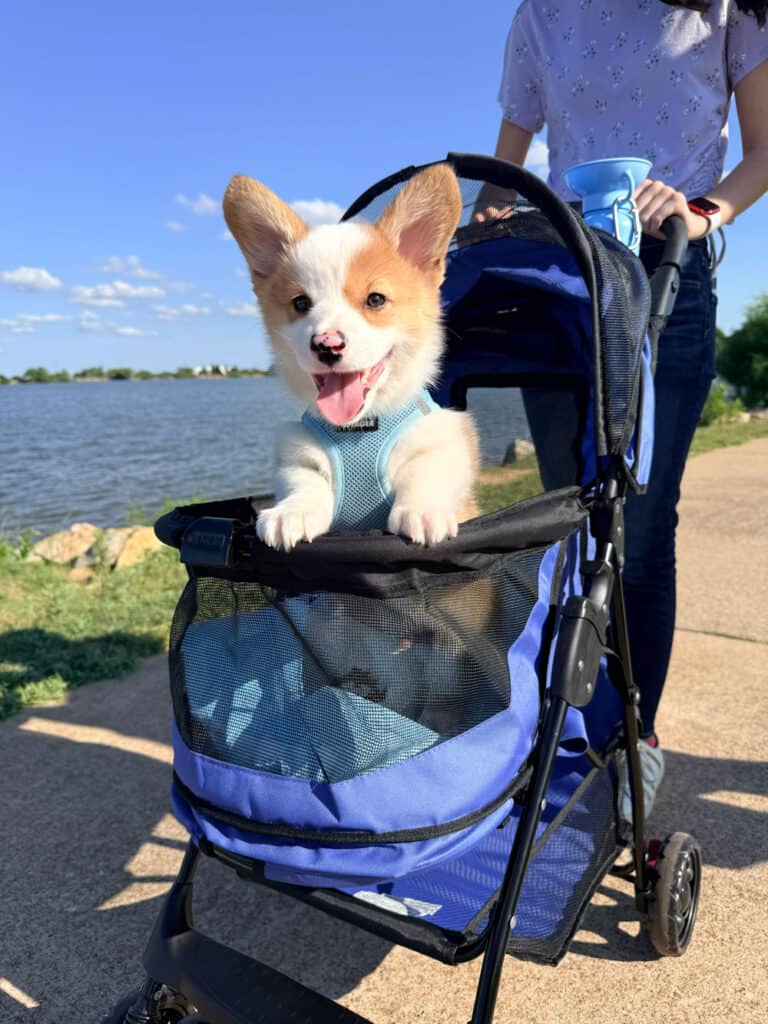
Corgis are great companions for outings and adventures, but having the right gear can make taking them along much easier. This is especially important with young puppies. Before your puppy is fully vaccinated, a stroller, sling, or backpack can be a great way to let them safely experience new sights, sounds, people, and environments without walking on public ground.
As your Corgi gets older, many of these products continue to be useful for walks, road trips, vacations, and everyday outings. Below are products we use ourselves or that Harman Corgi families have recommended for making life on the go a little easier.
Solutions for carrying puppies and travel
This is an easy way to carry your puppy until they are fully vaccinated.
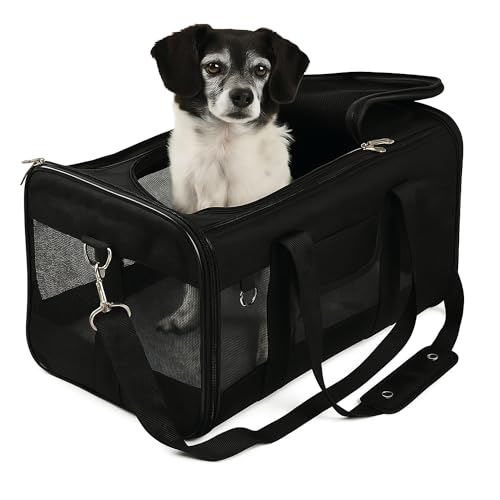
This is the soft sided carrier that I have.
Another option for taking your little one with you until they are fully vaccinated
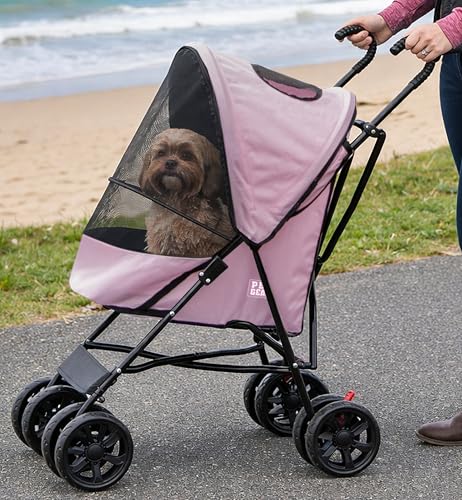
A lightweight affordable stroller for your puppy until they are fully vaccinated.
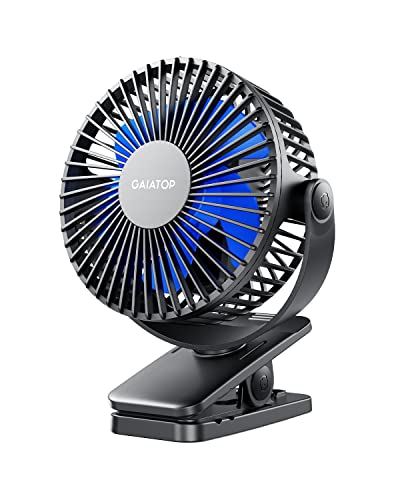
If it is hot outside your pup will need a fan for their stroller. Make sure to determine where and how it will attach to the stroller before buying.
I like hard sided crates for traveling in a car but prefer wire crates at home. Mine are approximately 28 inches long.
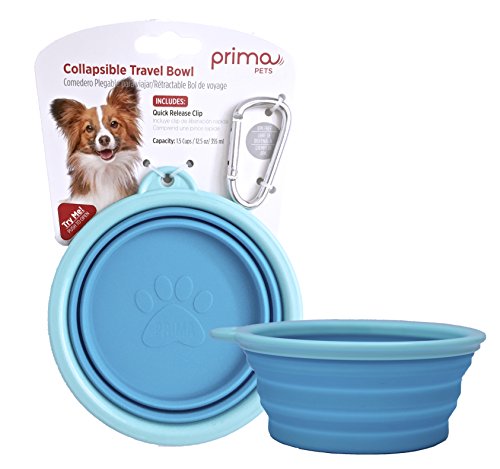
These collapsable / expandable travel bowls are hand are handy to take with you and they don't take up much space. We always send one of these home with our pups.
A portable water bottle for your pup.
If your dog is nervous about traveling, thunderstorms or fireworks this collar may help calm them.
This backpack was designed specifically for Corgis and we have had numerous customers tell us this is the best backpack that they have found for Corgis.
This stroller works well for older adults who have problems walking long distances. Dogs can enter from the back or front of the stroller.
This will protect your seats. Make sure to measure your back seat dimensions before ordering.

HELP FOR THE PUPPY YEARS
Training & Puppy Success
I can not emphasize enough how important it is to continue training with your puppy!!! Your puppy will quickly forget everything that it knows if you do not continue with socialization and training. The best solution that I have found is Baxter & Bella.
You get a huge library of training videos, along with access to groups and training classes that can help you from puppyhood to adulthood.
Use code HARMAN for 25% off.