
OUR APPROACH
Building Healthy Puppies from the Very Beginning
When I plan a litter, health is one of the first things I look at. That starts with understanding the genetic diseases that can affect Pembroke Welsh Corgis and testing our dogs before they are bred. But genetic testing is only one part of it. I also look at things like hips, eyes, pedigree, overall health, and how the dogs I’m considering breeding fit together.
No test can guarantee that a puppy will never have a health problem, but good testing gives me more information to work with when I’m making breeding decisions.
THOUGHTFUL PLANNING
Choosing the Right Parents
Before I plan a litter, I spend a great deal of time looking at the dogs I’m considering breeding. I look at health, temperament, structure, pedigree, and the qualities I would like to see carried into the next generation.
I also look at how two dogs fit together. No dog is perfect, so the strengths and weaknesses of both parents matter when I’m deciding which pairings make sense. My goal is to make breeding decisions that give each litter the best start I can while continuing to produce the calmer, lower-energy Pembroke Welsh Corgis I want in my breeding program.
You can learn more about the dogs in our breeding program on our Our Boys and Our Girls pages.

HEALTH TESTING
Genetic Diseases and Health Testing in Pembroke Welsh Corgis
Before I breed a dog, I want as much information as I can get about its health. Our breeding dogs are DNA tested for genetic diseases that can affect Pembroke Welsh Corgis, along with other health screenings that help me make better breeding decisions.
Genetic testing isn’t about finding a “perfect” dog. A carrier isn’t automatically a dog that shouldn’t be bred, and a clear DNA test doesn’t guarantee that a dog will never develop a health problem. The value of testing is knowing what I’m working with so I can make informed decisions when I plan a litter.
Genetic and Health Conditions We Test For
Pembroke Welsh Corgis can be affected by several inherited conditions. Our dogs are tested for the genetic conditions that are relevant to our breeding program, and I use those results when deciding which dogs to pair together.
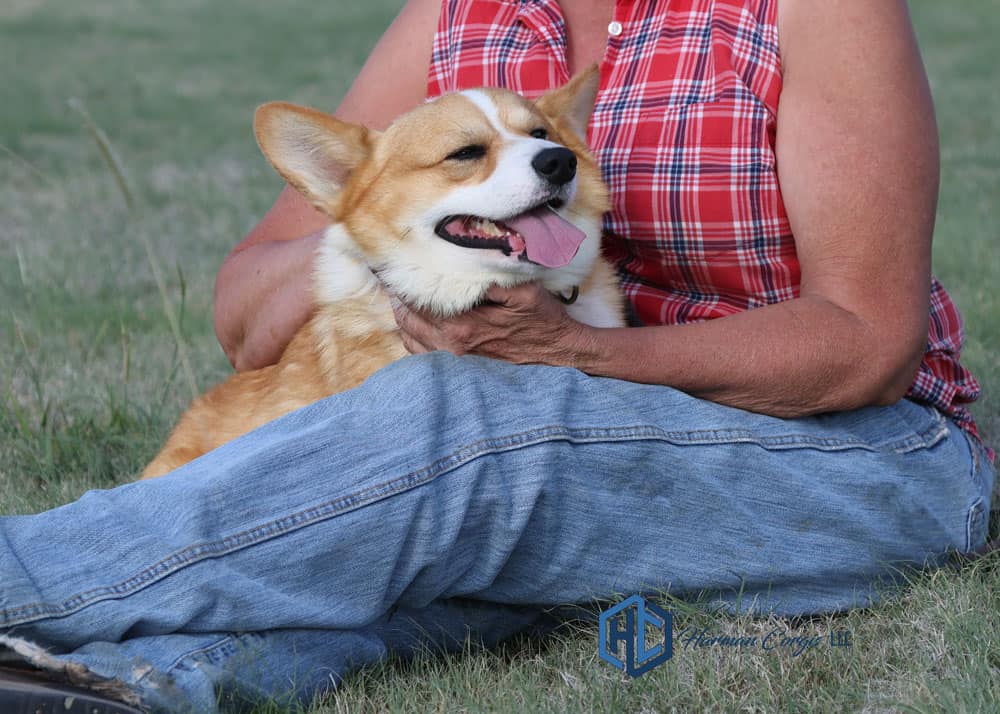
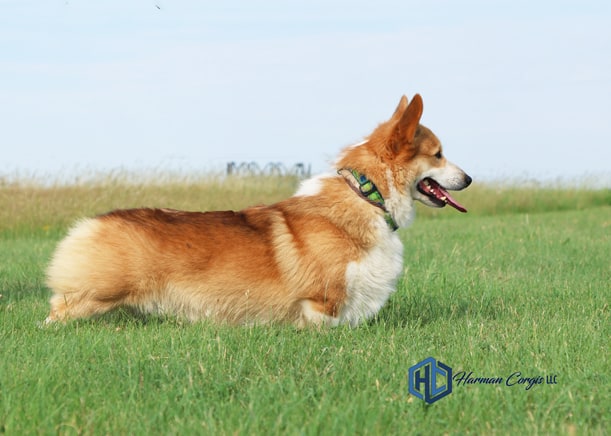
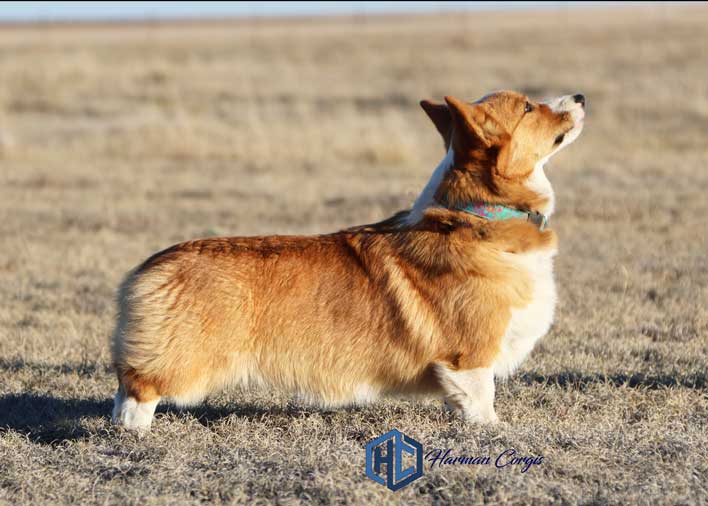
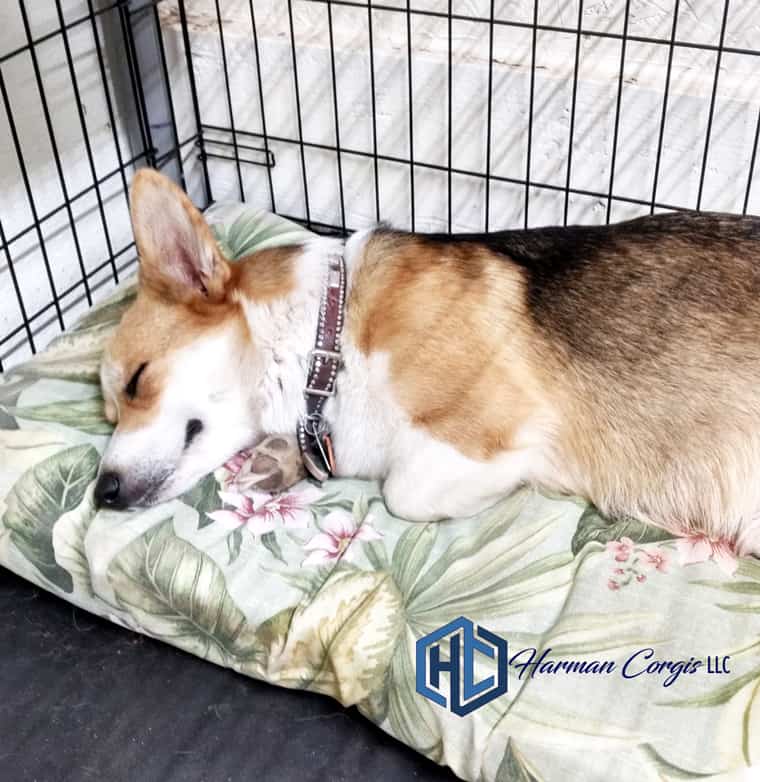
The dogs below show some of the conditions I consider when planning a litter. Click on a blue circle to learn more about the condition, what the test results mean, and how I use that information in my breeding decisions.
A HEALTHY BEGINNING
Caring for Mom and Newborn Puppies
Giving puppies a healthy start begins before they are born. During pregnancy, I pay close attention to mom’s nutrition, body condition, exercise and overall health while preparing for the arrival of her puppies.
Once puppies are born, those first days require a lot of hands-on care. I weigh each puppy twice a day so I can follow their growth and catch a problem early if one isn’t gaining as expected. I also spend a great deal of time with mom and the puppies, making sure everyone is nursing well, staying warm and progressing normally.
These first weeks aren’t something I take for granted. Puppies change quickly, and careful monitoring gives me a chance to notice when something doesn’t look quite right.
GROWING UP
From Early Development to Go-Home Day
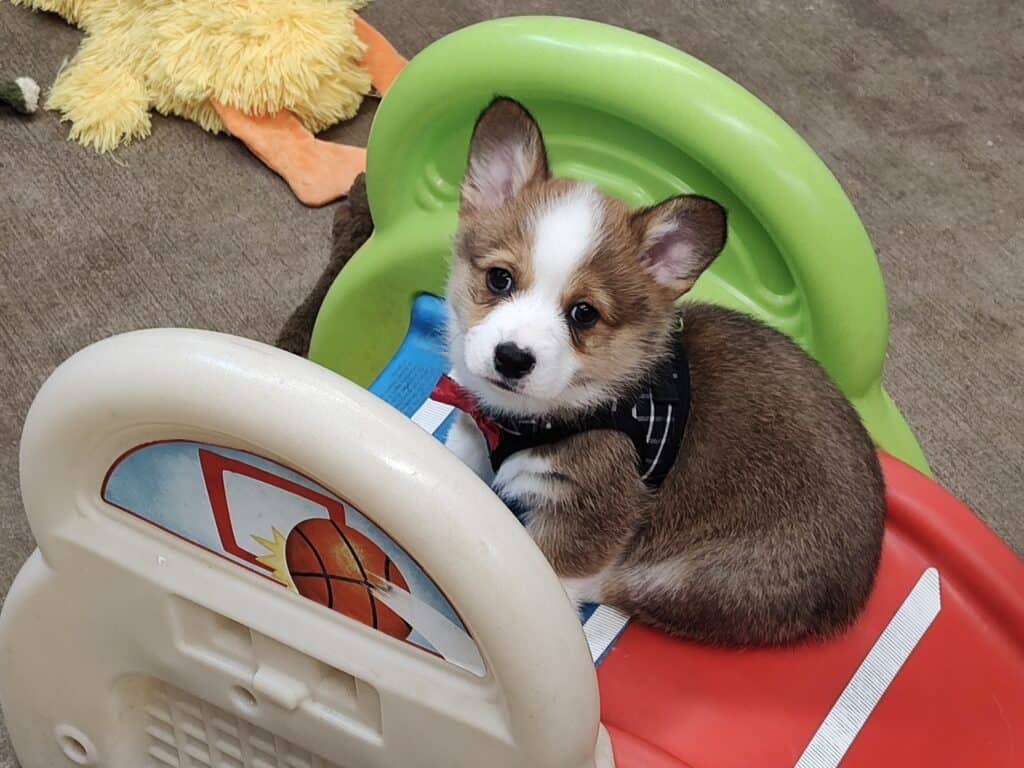
As puppies grow, my focus expands from simply keeping them healthy to helping their bodies and minds develop. They are gradually introduced to new surfaces, sounds, movement, people and experiences through our Next Level Puppy Program. I want them to have opportunities to explore and learn without asking them to handle more than they are ready for.
Before puppies go home, they receive a veterinary examination, age-appropriate vaccinations and deworming, and a microchip. Families also receive their puppy’s health records so they know what has been done and what their veterinarian will need to continue.
There is a lot happening during these few short weeks. My goal isn’t to send home a “finished” puppy. It’s to give each puppy a good foundation that their family can continue building on.
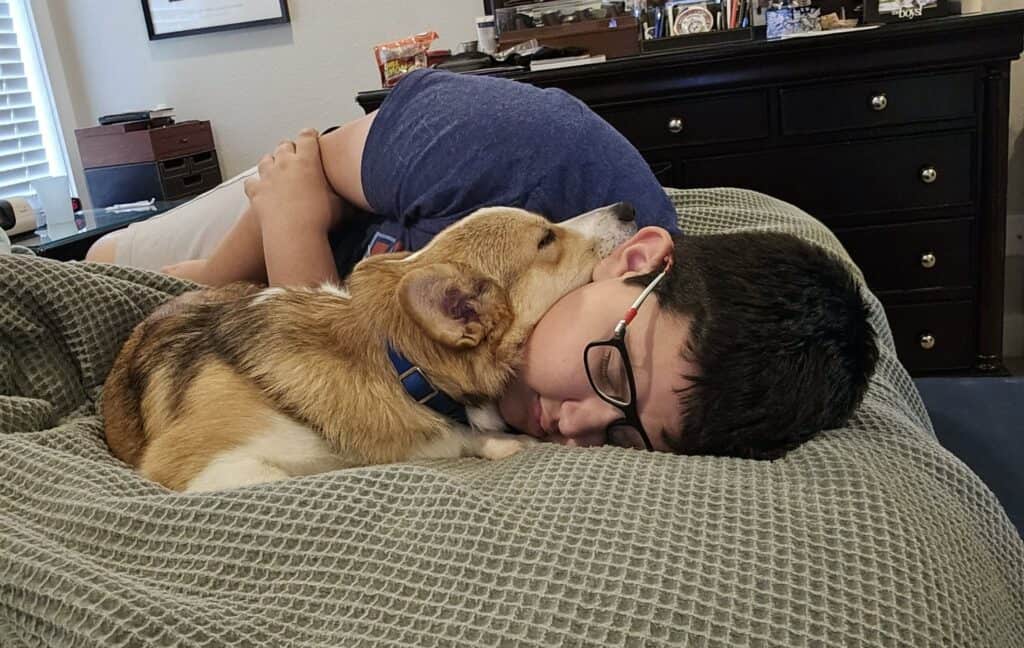
Every journey begins with a healthy start.
We can’t wait to be part of yours.
A LIFETIME TOGETHER
Health Doesn't Stop at Go-Home Day
Genetics and the care puppies receive during their first weeks provide an important foundation, but they are only part of a dog’s lifelong health. Nutrition, maintaining a healthy weight, appropriate exercise, preventive veterinary care and the environment a dog lives in all matter as a Corgi grows.
That’s one reason I continue providing information and support after my puppies go home. I want families to understand not only what I did while their puppy was here, but what they can do to help protect their Corgi’s health throughout its life.
I’m also always interested in how my puppies are doing as they grow. What I learn from the dogs I’ve produced helps me continue evaluating my breeding program and making decisions about future litters.
We provide resources and continued support to help families care for their Corgis throughout their lives.